Description
The Application of Ultrasonic in Laboratory
Abstract: Ultrasonic cleaning technology has become an indispensable tool in various laboratory settings, revolutionizing the process of cleaning and sterilization. This article explores the applications of ultrasonic cleaners in laboratory environments, highlighting their efficacy, versatility, and importance in maintaining a clean and sterile workspace. From delicate glassware to intricate electronic components, ultrasonic cleaners offer a reliable and efficient solution for removing contaminants and achieving optimal cleanliness in laboratories.
Introduction: Laboratory cleanliness is paramount in ensuring accurate experimental results, maintaining equipment longevity, and minimizing contamination risks. Traditional cleaning methods often fall short in addressing the intricate surfaces and hard-to-reach areas of laboratory equipment. However, with the advent of ultrasonic cleaning technology, laboratories now have access to a powerful and versatile solution for achieving superior cleanliness.
Principles of Ultrasonic Cleaning: Ultrasonic cleaning operates on the principle of cavitation, where high-frequency sound waves create microscopic bubbles in a cleaning solution. These bubbles implode upon contact with surfaces, generating intense localized energy that effectively dislodges contaminants from the substrate. This process enables thorough cleaning of complex shapes and intricate surfaces, surpassing the capabilities of conventional cleaning methods.
Applications in Laboratory Settings:
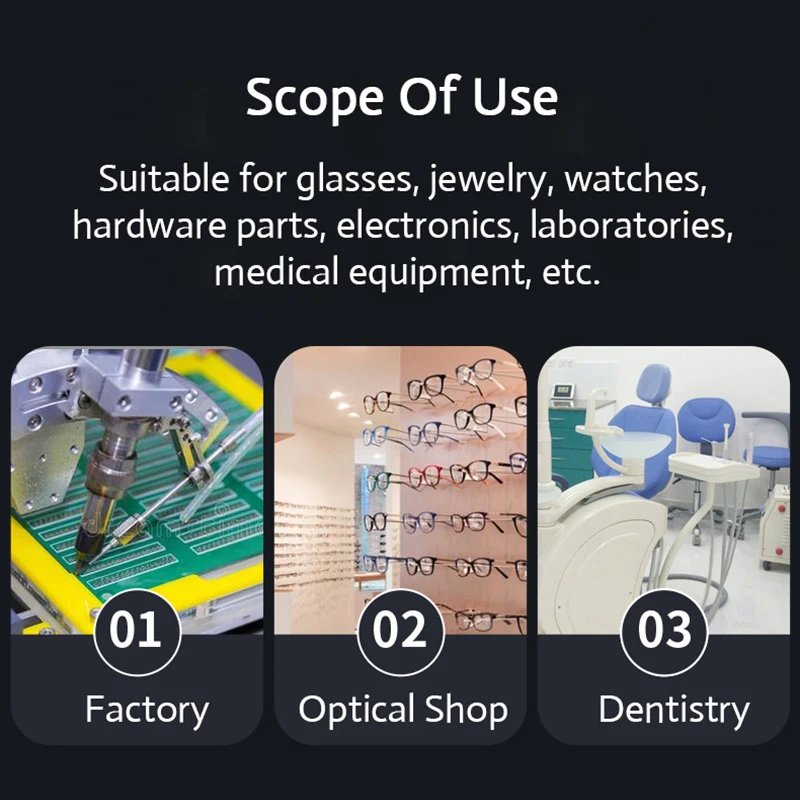
1. Glassware Cleaning: Ultrasonic cleaners excel in removing stubborn residues from laboratory glassware, including beakers, flasks, and pipettes. The gentle yet powerful cleaning action ensures thorough removal of contaminants without risking damage to delicate glass surfaces.
2. Electronics and Components: Laboratory equipment often includes delicate electronic components prone to contamination. Ultrasonic cleaners offer a safe and efficient method for cleaning circuit boards, sensors, and other electronic devices, ensuring optimal performance and reliability.
3. Instrument Sterilization: Maintaining sterile conditions is essential in many laboratory applications, particularly in biological and medical research. Ultrasonic cleaners facilitate the sterilization of surgical instruments, laboratory tools, and glassware, helping to prevent cross-contamination and ensure experimental accuracy.
4. Sample Preparation: Ultrasonic cleaners play a crucial role in sample preparation procedures, particularly in molecular biology and biochemistry. They are utilized for efficient cell lysis, DNA extraction, and protein purification, enhancing the reproducibility and accuracy of experimental results.
5. Surface Modification: Beyond cleaning, ultrasonic technology can be applied for surface modification processes in materials science and nanotechnology. Ultrasonic agitation facilitates the deposition of thin films, surface cleaning, and surface activation, enabling precise control over material properties.
Advantages and Considerations:
• Efficiency: Ultrasonic cleaners offer rapid and thorough cleaning, reducing the time and effort required for manual cleaning processes.
• Versatility: They can accommodate a wide range of materials and geometries, making them suitable for diverse laboratory applications.
• Non-Destructive: The gentle cleaning action of ultrasonic technology minimizes the risk of damage to delicate components and surfaces.
• Safety Considerations: Proper handling of cleaning solutions and adherence to safety protocols are essential to prevent potential hazards associated with ultrasonic cleaning.
Conclusion: Ultrasonic cleaners have emerged as indispensable tools in laboratory settings, offering efficient, versatile, and reliable solutions for cleaning, sterilization, and surface modification. Their application spans across various scientific disciplines, from chemistry and biology to materials science and electronics. As laboratories continue to advance, the integration of ultrasonic cleaning technology will play a pivotal role in maintaining cleanliness, enhancing experimental accuracy, and ensuring the integrity of research outcomes.
Note: Please dry the water and place it after use to avoid rust!
Please noted:
Do not touch or soak the bottom of the product in water.
Please test after added water the vibration plate will burn out when working without water. It only supports plugging in for a few seconds, otherwise it will burn out.
The power of the ultrasonic cleaning machine is on but does not vibrate. The current known reasons are:
1. The connection line is loose – the guest can disassemble the machine and check it, then reconnect it
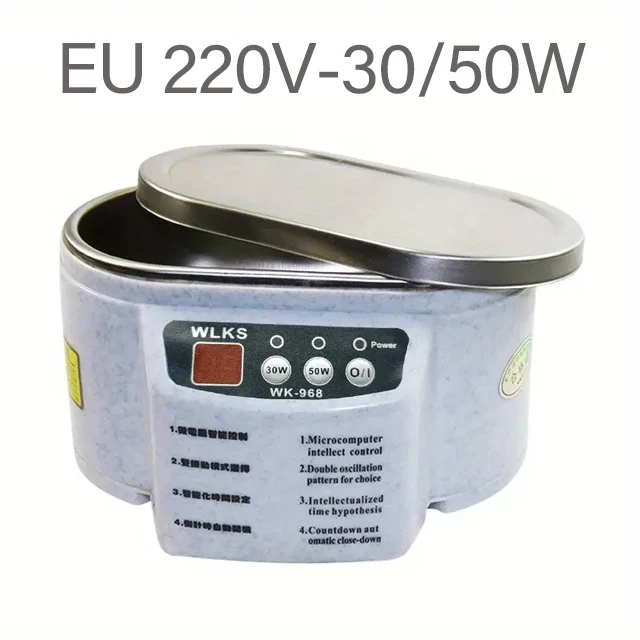
2. The voltage is wrongly bought/used, the EU model is 220V (Piezoelectric used locally before purchase)
3. Empty vibration — the vibration plate will burn out if it is working without adding liquid. It only supports plugging in and trying for a few seconds, otherwise it will burn out.
4. Pay attention to add water to use!
Only logged in customers who have purchased this product may leave a review.


Reviews
There are no reviews yet.